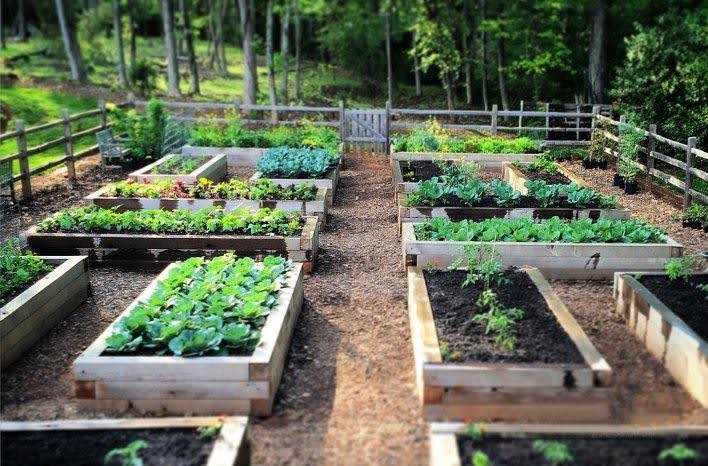
Crates, containers or raised beds are an excellent way to utilize space combine seating and planting, or to separate growing areas in case you want to create areas for renting or lending
out growing space.
Perks:
Garden anywhere. Attractive cedar raised beds are an asset to your landscape. Create perimeter gardens, spice up your entryway, grow food in your front yard, screen an eyesore. More food in less space. You can set plants closer together, so every square inch is productive. And small-space gardening techniques, such as succession planting and vertical supports, ensure that every square inch of space is used.
Plant earlier. Excess water drains better, and soil warms up faster in spring compared to in- ground beds. Specialized covers and garden fabric help you get started even earlier.
Better soil. A productive vegetable garden depends on good soil. With a raised bed, you start fresh with the ideal soil blend — even if the soil on your site is poor.
Fewer weeds. Because raised beds are densely planted, weeds have little room to grow. And when they do find space, it's easy to pull them from the loose, rich soil.
Easier pest control. It's simpler to manage insects and exclude animal pests compared to long garden rows. You can easily cover beds with row fabrics or specialized covers.
Match soil to plants. Fill the beds with soil customized to plants. For example, do you want to grow blue hydrangeas? Mix a soil acidifier into the soil prior to planting.
Less bending to tend. Deep Root Raised beds are 30-60 cm high so you bend less during planting, caring for, and harvesting plants. For optimum plant health and productivity, most vegetables should receive at least eight hours of full sun each day. The more sun, the better, so it makes sense to locate your garden in the sunniest part of your yard. Avoid low, wet areas where the soil could stay soggy. Because your garden will need to be watered during the growing season, you'll want to have relatively easy access to a hose.
Good soil is the single most important ingredient for a good garden. Raised beds give you an immediate advantage over a regular garden, because when you fill your raised bed, you can fill it with a blend of soil that's superior to the native soil in your yard. Soil that's loose and rich with nutrients and organic matter will allow the roots of your plants to grow freely and ensure that they have access to the water and nutrients they need to sustain healthy growth.
Before placing your raised beds in their permanent location, be sure to remove grass or perennial weeds from the area. Use a garden fork or shovel to loosen the native soil to a depth of 6-10". This will improve drainage and moisture retention in the raised beds. It also means that even with a 5"-high raised bed, your plants will think they're growing in a bed that's 12-18" deep — plenty of room for carrots, potatoes, full-size tomato plants and most any other vegetable you'd ever want to grow.
For most situations, we recommend these proportions:
• 60% topsoil
• 30% compost
• 10% Potting soil (a soilless growing mix)
Fill your garden with the types of vegetables you like to eat. If you're big on salads, plant head lettuce, a lettuce cutting mix, cherry tomatoes, cucumbers and carrots. If you love cooking, plant onions and peppers, leeks, potatoes and herbs. Try to include at least one vegetable that's new to you. Discovery is half the fun.
Choose vegetables that you like to eat — or try something that's new to you.
Gardening in a raised bed is all about maximizing productivity. The challenge is to grow as much food as possible while resisting the temptation to squeeze in too many plants. Overcrowded plants never reach their full potential because they're stressed by poor air circulation and competition for water, nutrients and root space. There is also opportunities to provide under watering systems where you place tanks below the soil. This allows the plants to self-regulate and makes maintaining them easier.
.jpg)